
I can make something myself
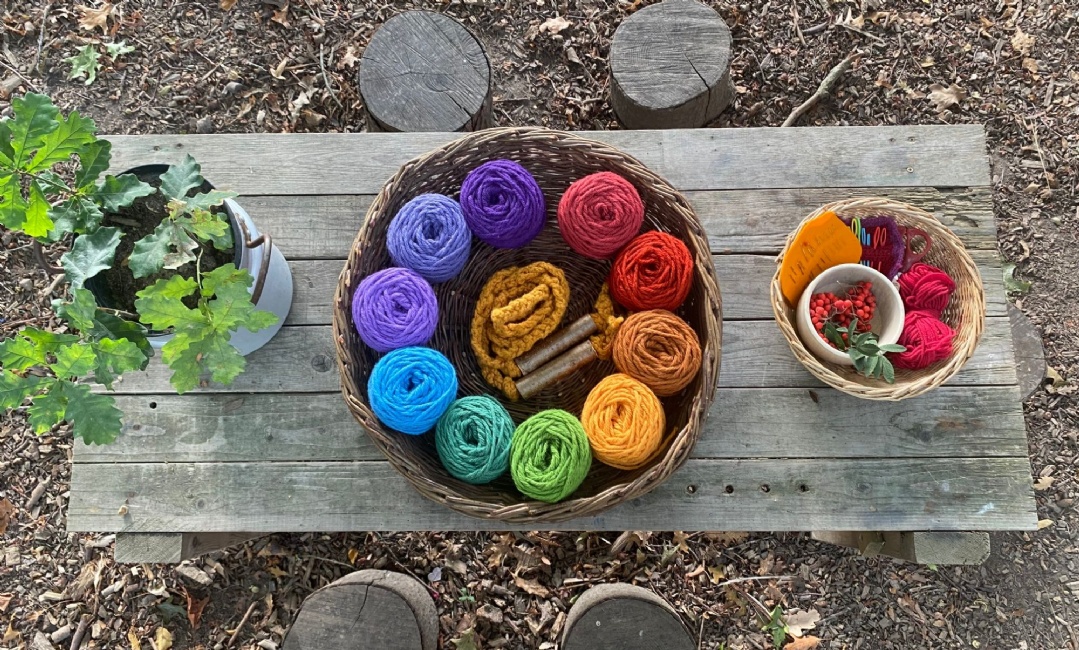
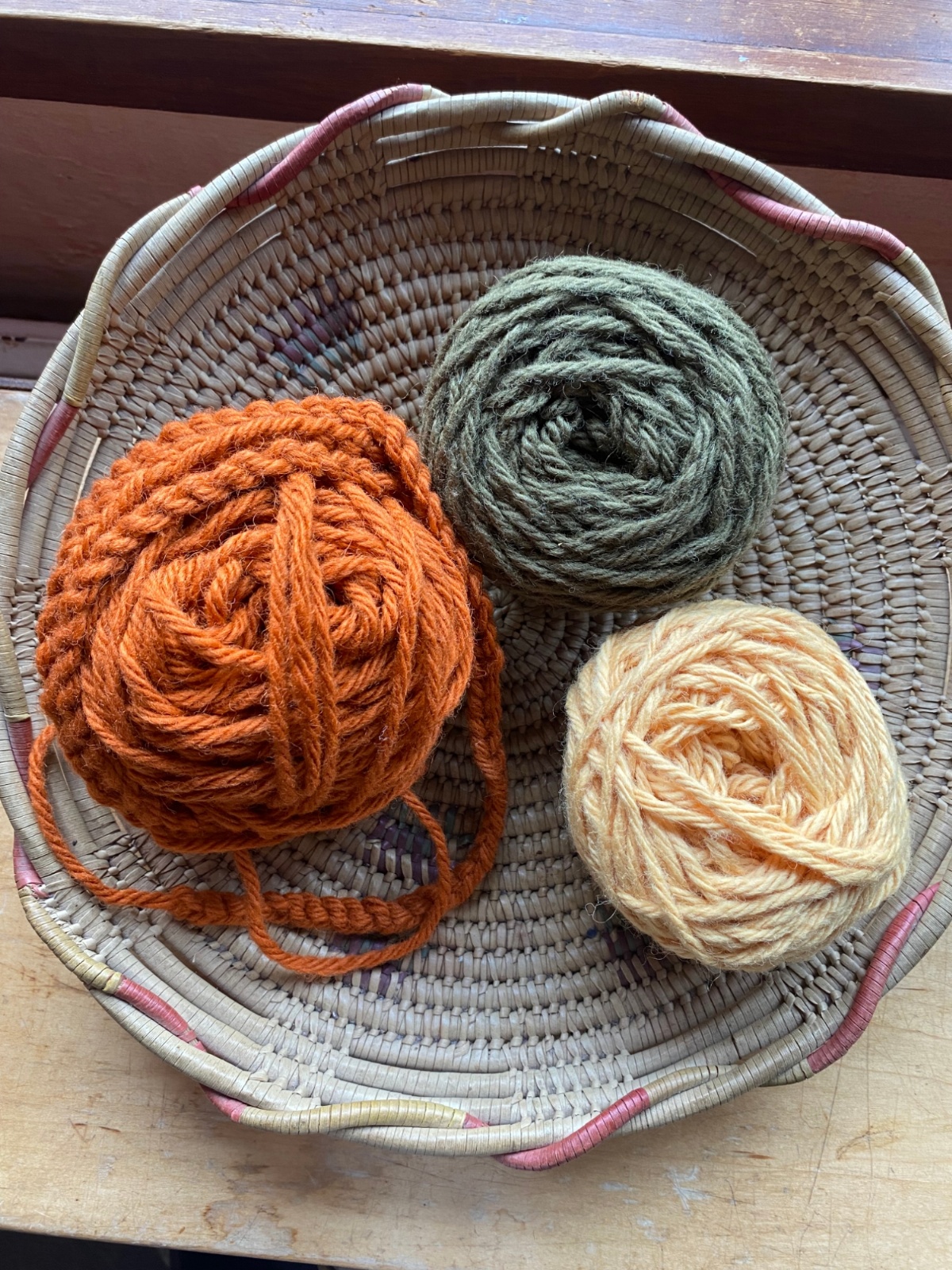
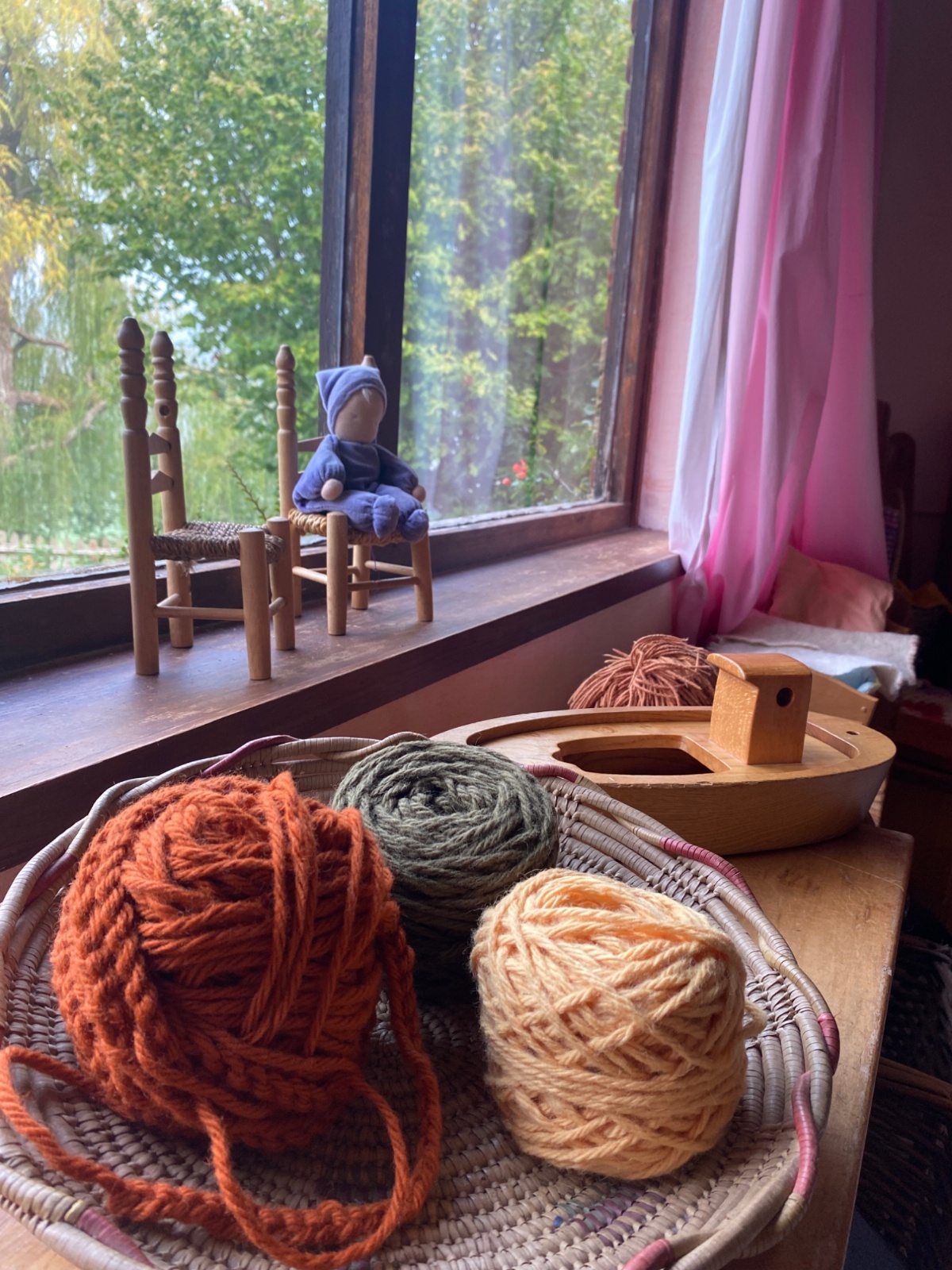
As our children begin their final year with us in Kindergarten, we introduce activities that gently support the transition from the imaginative, play-filled world of Early Childhood towards the more focused learning of the school years and Class One. Finger knitting is a beautiful example of this.
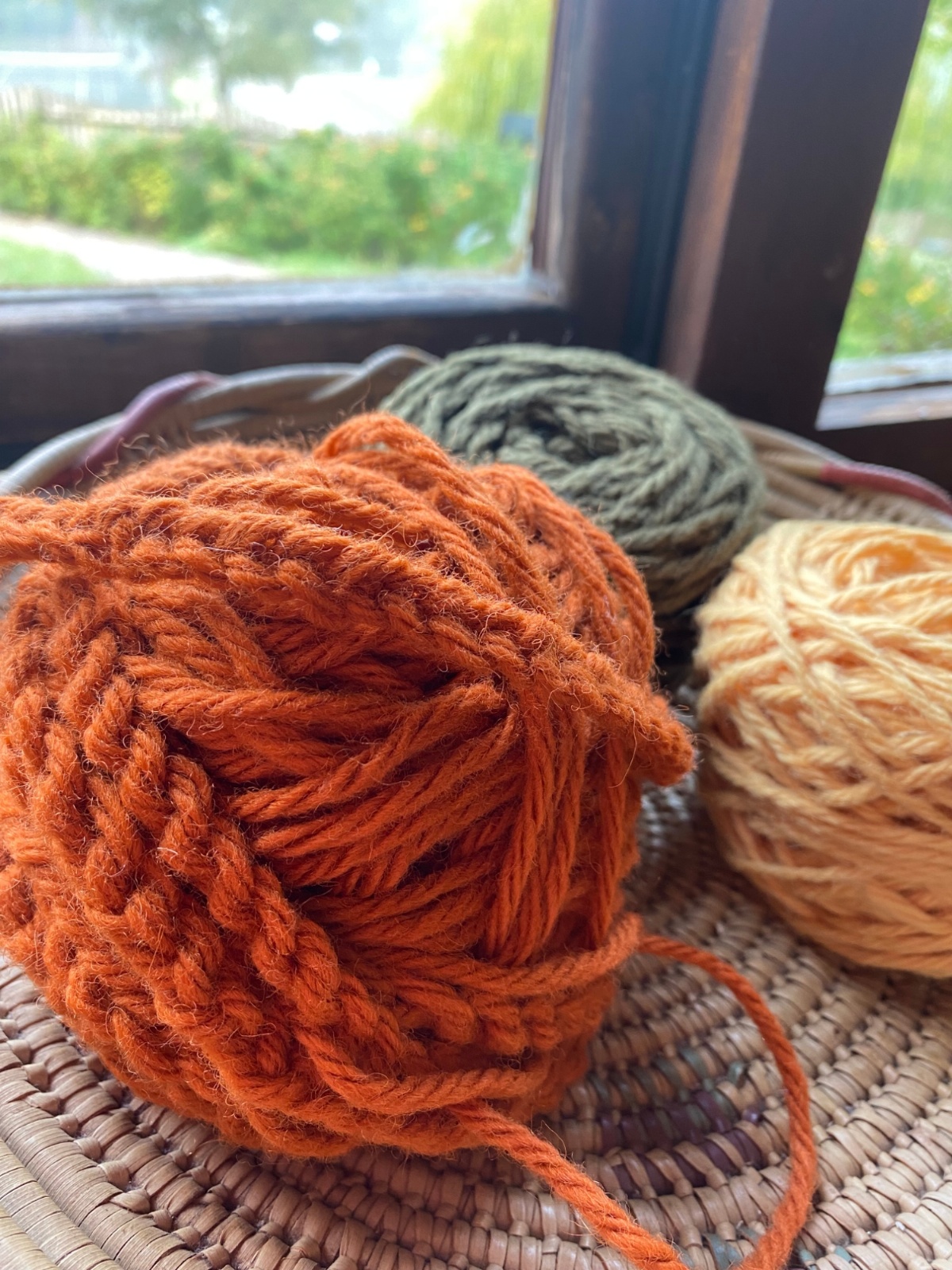
At first glance, finger knitting may seem like a simple craft, but it offers children a rich experience of learning through their hands. As they work with the wool, they develop fine motor strength, hand–eye coordination, dexterity and concentration. The repeated movements encourage patience and perseverance, while the rhythmic nature of the activity can bring a sense of calm and steady focus.
There is also an important element of mathematical and sequential thinking; children learn to follow a series of movements, notice patterns, count stitches and understand that each new loop depends upon the one before it. They begin to experience, in a very tangible way, how something grows through repetition and careful attention. Finger knitting also supports the developing child's sense of agency and accomplishment. A simple strand of wool becomes something made by their own hands, something that can be used for another purpose. Children can see their progress, solve small problems when their knitting changes or comes undone, and experience the satisfaction of persevering until they have created something meaningful.
In a Waldorf setting, we value the relationship between the head, heart and hands. Handwork provides an opportunity for children to learn not only through listening and thinking, but through doing. The quiet, purposeful activity of finger knitting can help cultivate qualities that will support them throughout their school life: attention, patience, coordination, confidence and a willingness to keep trying.
Most importantly, we want the experience to remain joyful. There is no need for every child's knitting to look the same. Each piece reflects a child's individual pace, concentration and developing skill. What matters is the process, the experience of working with their hands with meaning and purpose, being present with the task, and discovering that ‘I can make something myself’.
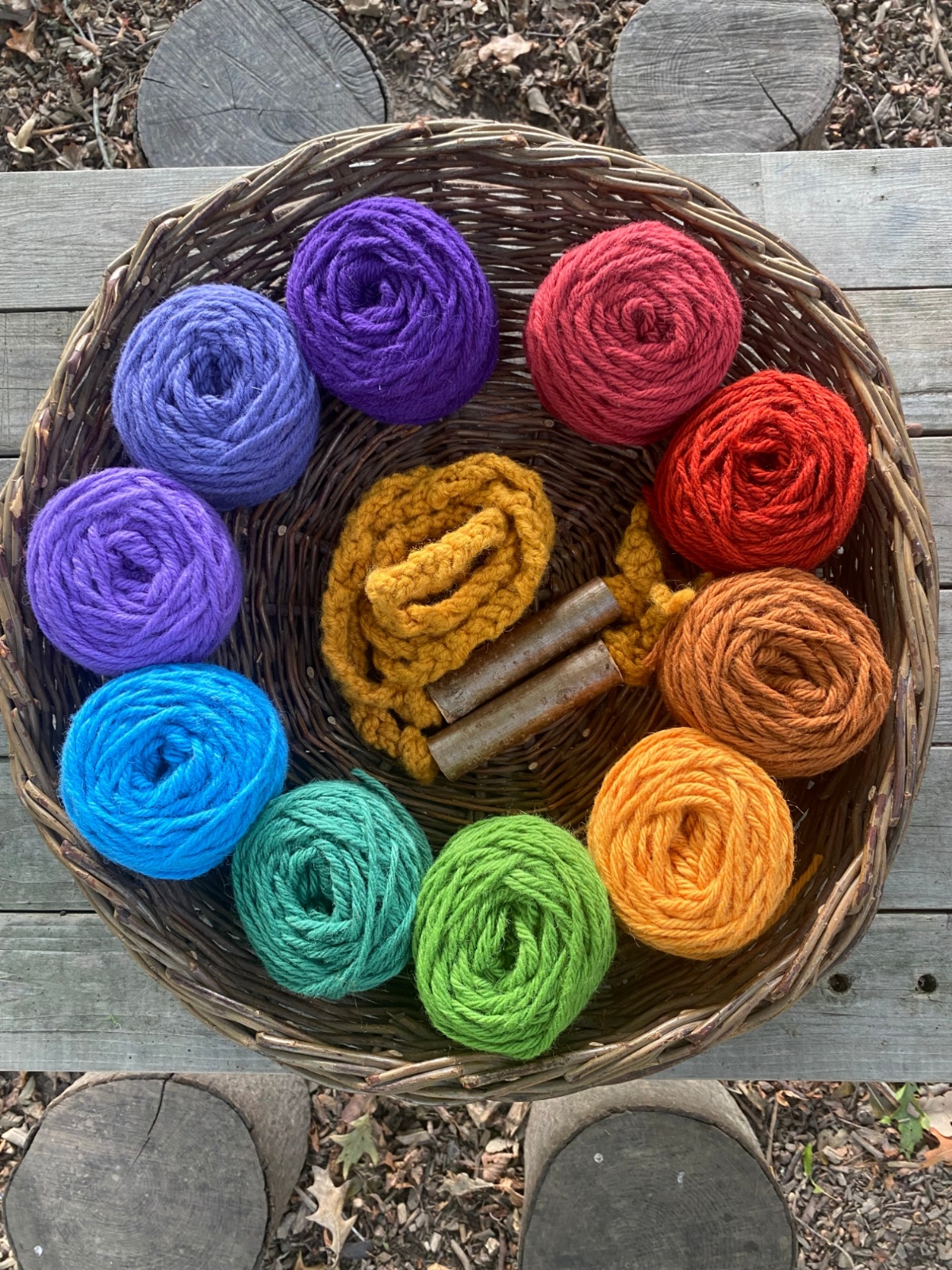
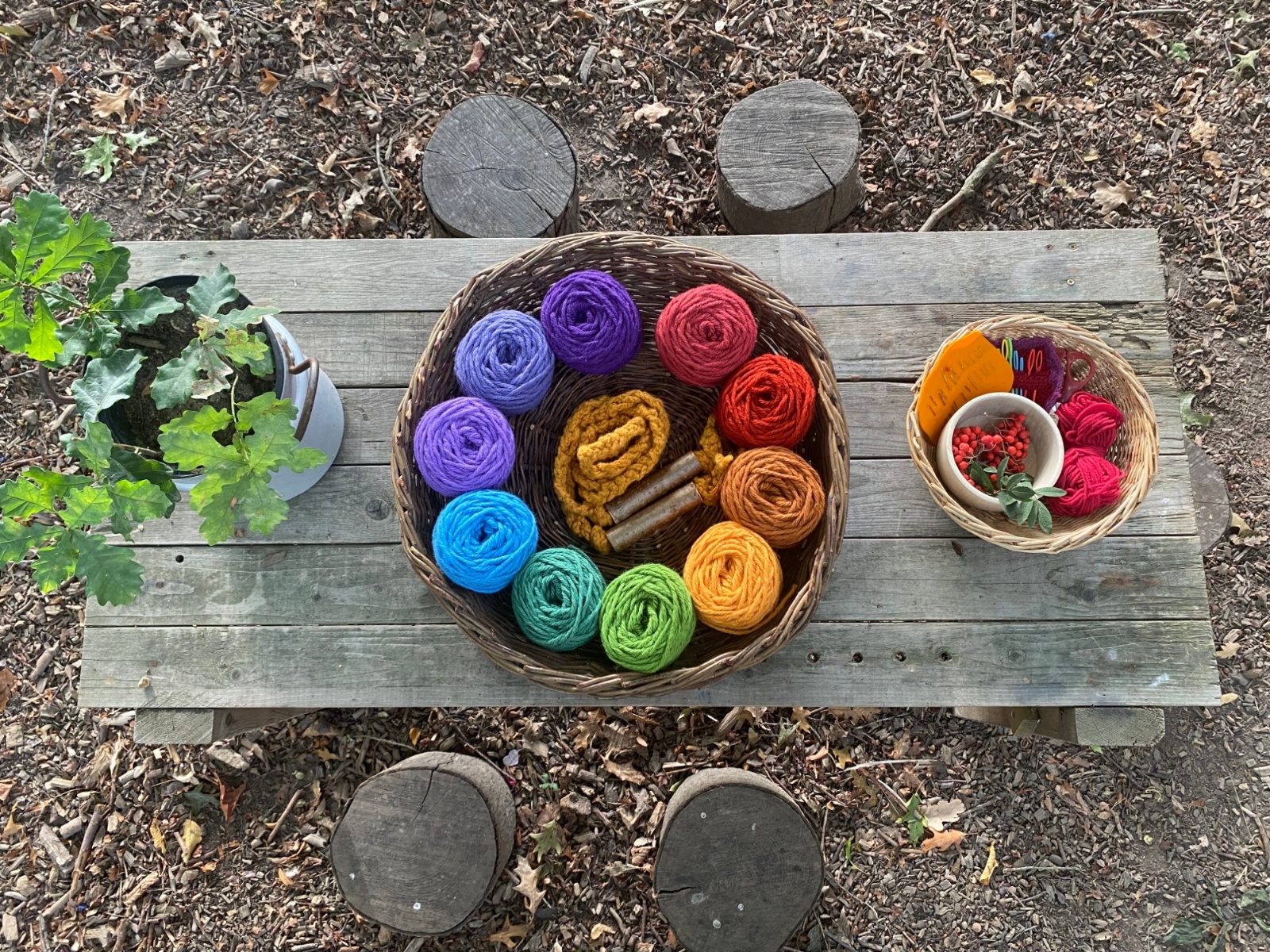
When we arrive at the end of the academic year, each child transitioning into Class One will have created a beautiful, finger-knitted skipping rope, along with wooden handles, cut, drilled and sanded by the children themselves. The final months of their time in Kindergarten are spent learning to skip with their own, handmade skipping rope, developing co-ordination, integration, rhythm and stamina, core qualities to support their formal learning. We send them skipping off, quite literally, into the next chapter of their educational journey with a meaningful creation that demonstrates that each individual holds within themselves the capacities to create, persevere, problem-solve, and transform simple materials into something purposeful and uniquely their own.
Emily Gearing-Grief
Early Childhood Manager