Friday Flyer - 23rd January 2026
Dear Michael Hall Community,
Following on from last weeks water shortage, we have now been hit with localised flooding! God truly does laugh when we make plans.
With the weather looking unsettled and hard to predict I have asked that colleagues prepare work should we be forced into any emergency closures. The current predictions for our area have shifted from snow to rain and high winds, so I am hopeful that we will be unaffected.
The thought of preparedness or readiness has been on my mind in light of the above. I was Cub and then a Scout, so the motto ‘Be Prepared’ has long lived with me; and has set me up for success. For my sports, I trained hard to play better (even though the talent was not always present!). For my exams, I studied to improve my grades. For my teaching career, I planned, practised, reflected, planned, practised, reflected and still do. To add to this, I read a lot about education, learning and development – mental practice and knowledge acquisition/skill development.
At Michael Hall, we understand readiness not as something to be rushed, but as something to be carefully nurtured. We expect pupils to be ready for the next stage of development. We recognise that each child unfolds in their own time, and our role as educators is to create the conditions in which this unfolding can happen naturally and confidently – perhaps with some well-judged nudges along the way. Preparedness grows when children feel safe, seen, and deeply connected to their learning environment.
I have seen in the early years and lower school, readiness is cultivated through rhythm, imitation, movement, story-telling and creativity. These experiences strengthen the foundations for later learning by supporting physical coordination, sensory integration, language development, and social awareness. Through our daily and weekly rhythms, our pupils develop a sense of security; a stable grounding on which to prepare.
As children move through the middle school years, preparedness takes on a new quality. Learning becomes more imaginative and experiential, inviting pupils to think deeply, ask questions, and make connections. Artistic work, practical activities, and storytelling continue to play a central role, helping pupils develop perseverance, empathy, and an emerging sense of responsibility for their own learning.
In the upper school, readiness is expressed through growing independence, critical thinking, and moral judgement. We expect them to ready themselves in many parts of school life. Pupils are expected to engage more consciously with the world around them, combining the intellectual with creativity and social awareness. Teachers guide students to take increasing ownership of their work and responsibility for their choices, preparing them not only academically, but also emotionally and ethically for the next stage of life.
Across the school we make the shift in very much preparing for the pupils, to making sure the pupils are ready to prepare themselves for the pathway they have found – or to continue exploring pathways until they find theirs. Teaching is one of the few jobs whereby you actively seek to make yourself redundant – if your pupils no longer need you at the end of the journey, it is a job well done.
Stuart McWilliams
Principal

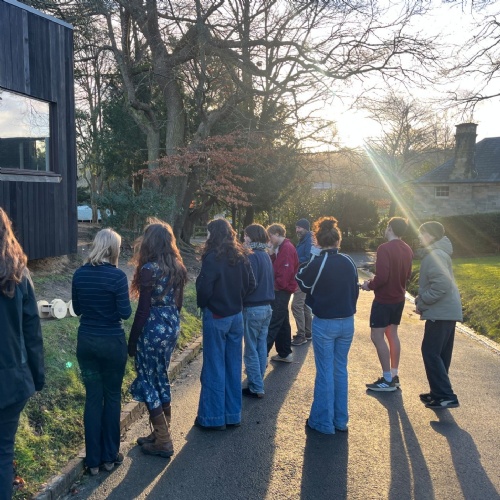
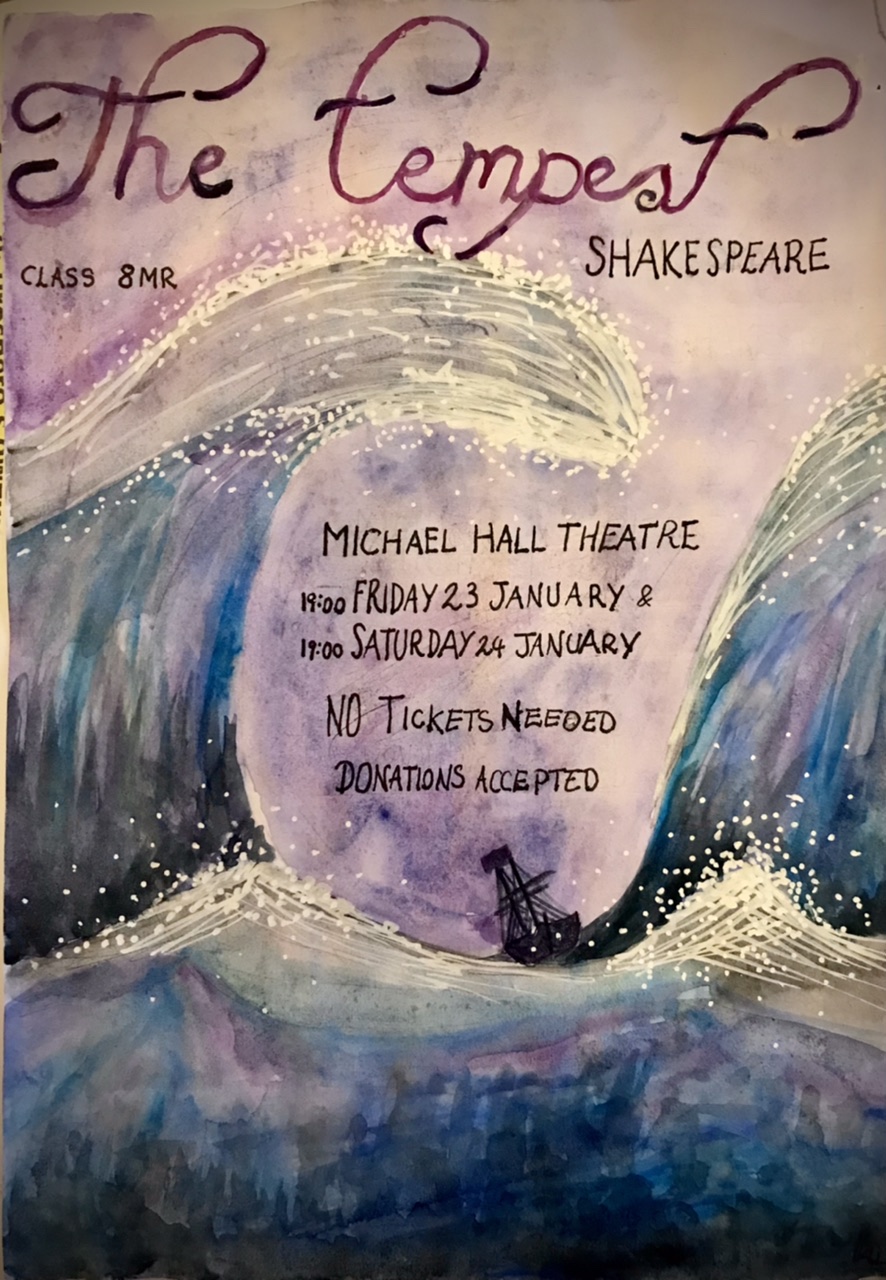 Shakespeare’s ‘The Tempest’ performed by Class 8MR
 Ways to Contribute